How Do Automatic Pool Covers Work?
An automatic pool cover works like a powered window shade for your pool. A motor on a hidden reel rolls a reinforced vinyl cover along low tracks set into the deck, so a key switch opens or seals the pool in about 30 to 60 seconds.
On this page (10 sections)
- What parts make up an automatic pool cover?
- How does the cover roll out and seal?
- How do the tracks and leading bar hold the cover flat?
- Where does the motor and reel sit?
- How does an automatic cover keep out debris and hold heat?
- What about rain, snow and the cover pump?
- What stops the motor or the cover from moving?
- What upkeep does an automatic cover need?
- Can you add an automatic cover to an existing pool?
- So, how do automatic pool covers work in one line?
An automatic pool cover works like a powered window shade for your pool. A motor on a hidden reel rolls a reinforced vinyl cover along low tracks set into the deck, so a key switch opens or seals the pool in about 30 to 60 seconds.
The mechanics are simple once you picture the parts: a reel, a motor, two tracks and a switch. The rest of this guide follows the cover from an open pool to a closed one, then covers drainage, safety and upkeep.
What parts make up an automatic pool cover?
Four hard parts do the work: the reel, the motor, the tracks and the fabric. The reel holds the rolled vinyl, the motor turns it, the tracks guide the edges, and the switch controls it.
The reel is a long drum that sits off the pool's end, usually in a pit below deck level or in a housing on the deck itself. The motor turns the drum and runs on household current through a control box with the key switch and the limit settings that stop the roll.
The tracks are narrow channels set flush with the deck along each long side. Sliders on the cover edges ride in the tracks, so the cover stays on line as it travels.
The fabric is a laminated pool-grade vinyl with a reinforced core. A rope or cable runs along each edge with the sliders attached, and a bar at the leading end pulls the cover flat.
How does the cover roll out and seal?
You turn the key, the motor spins the reel, and the cover runs along the tracks until the leading bar meets the far end. The cover floats on the pool surface as it travels, and the tracks keep the edges straight.
When you open the pool, the motor reverses. The reel winds the cover back up and a limit switch cuts power at the end of the run.
The roll-out is quiet and takes a minute or less on most pools.
Because the edges stay in the tracks, the cover covers the full rectangle every time. There is no folding and no water bags or anchoring straps to set.
How do the tracks and leading bar hold the cover flat?
The tracks capture the cover edges and the leading bar pulls the whole sheet tight. Between them, they keep the vinyl from bunching, drifting or riding up over the coping.
The leading bar spans the pool's width and gives the roll something firm to pull against. When the bar reaches the far end, the cover has a straight front edge instead of a loose, wavy one.
A taut cover sheds leaves and rain toward the middle. A cover with slack gathers water in the path of the roll, and the next closure drags that water along with it.
Tracks are set into the deck so they sit low, and the coping has to be cut or built for them. On a new build this is planned in, which is why covers are far easier to add at construction than later.
Where does the motor and reel sit?
The reel and motor sit in a pit at one end of the pool, or in an above-deck housing. The choice depends on the deck and the space below it.
A pit is a rectangular vault under the deck that holds the reel out of sight. The deck over it lifts or comes off for service, and a drain in the pit handles any water that gets in.
An above-deck housing is a bench-like box on the deck at the pool's end, which suits raised pools or sites over rock.
Either way, the housing sits on the pool's short end and the cover runs lengthwise. The switch goes on a wall nearby, often inside a locked box for child safety.
Power runs to the motor through a control box, and a qualified electrician usually handles that hookup.
How does an automatic cover keep out debris and hold heat?
The cover forms a sealed sheet on the water, so leaves, insects and rain stay on top and pool heat stays in. Leaves and pollen that land on the cover stay there, and a leaf blower or broom clears them off.
Evaporation drops sharply when the surface is covered. Less evaporation means less water to add and less heat lost with it, so the pool holds warmth better overnight.
The cover also cuts chemical loss from the surface, so the pool can hold its balance longer. Most of these gains depend on the cover being closed when the pool is not in use.
What about rain, snow and the cover pump?
Rain and snowmelt collect on top of the cover, so you need a pump to drain it before the weight builds. Standing water adds weight to the fabric and the reel, and a deep puddle can sag into the pool.
A pump handles that before it becomes a repair.
Which cover pump fits an automatic cover?
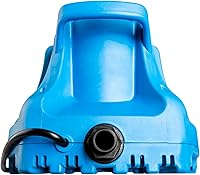
For most automatic covers, the best pick is the Little Giant APCP-1700. It turns on when water reaches about 2 in and shuts off when the level drops to about 1 in, so it starts and stops without you watching it.
The FOTING pump moves more water for its size and cuts off lower. It suits covers that catch heavy rain and owners who want the cover left nearly dry.
The Wayne WAPC250 pairs a strainer base with freeze protection in its iSwitch. The 25 ft pull-to-shore rope helps position a pump in the middle of a big cover without wading out.
Our guide to the best automatic pool cover pumps compares them further. Any pump must come indoors when temperatures drop below freezing.
What stops the motor or the cover from moving?
A key switch and a control panel decide when the motor runs, and both can be shut off and locked. Pulling the key leaves the cover fixed in place.
Limit switches tell the motor when the cover is fully open or fully closed, so it stops on its own. A jam or an overload trips the box and cuts power before the motor strains.
The cover is not a substitute for a fence, a door alarm or adult supervision. Treat the switch as one layer among several.
What upkeep does an automatic cover need?
Wash the vinyl, keep the tracks clear and check the water level under the reel. Rinse the cover with fresh water and a mild soap made for pool covers, then let it dry before rolling it away.
Sweep grit and leaves out of the tracks so the sliders don't drag.
Keep the pool water at the level the maker specifies for the cover's drive. Too low or too high a level changes how the cover lands and how the reel loads.
The reel, motor and control box need a yearly look by a cover service company. If you store the cover rolled up for the off season, dry it first and leave the pit drain clear.
An open pool cover also pairs well with a solar cover when you want extra warmth without running the motor.
Can you add an automatic cover to an existing pool?
Yes, but a retrofit is a bigger job than a new build. The tracks need a straight, level run along both sides of the pool on the deck.
Coping, pavers or concrete get cut and reset to take the rail, and the work has to stay clear of skimmers and return fittings.
Before ordering, you have to measure the pool for a cover in both directions and check the space at one end for the housing. A freeform pool needs a custom shape, so the quote is higher.
Measure the waterline and the deck edge, not just the pool's nominal length.
Once the cover is in, it changes how you close the pool in fall. A cheaper closing plan, like the steps for how to install a winter pool cover, still works if you skip the auto cover for a season.
So, how do automatic pool covers work in one line?
An automatic pool cover works by rolling a reinforced vinyl sheet along deck-set tracks with a motor on a hidden reel, and the key switch controls the motor. Pick the Little Giant APCP-1700 if you want an automatic pump that starts and stops on its own.
Choose the FOTING if a huge rain load and a near-dry finish matter most, or the Wayne if a strainer base and a pull rope suit a big cover.
Frequently asked questions
Do automatic pool covers need a pump on top?
Yes if rain lands on the deck and collects on the vinyl. A cover pump sits on top and drains water before it pools, which keeps the cover light and stops it from sagging into the pool.
Can you walk on an automatic pool cover?
No. A vinyl pool cover is a barrier, not a floor, and standing on it can stretch or tear the fabric.
Rigid safety covers are a separate product built to carry a person's weight.
Does an automatic cover lock shut?
The cover itself has no lock, but the motor's key switch and control panel can be switched off so the cover cannot move. Some controls also require a key to stay inserted, which keeps small children from running the motor.
How deep do the tracks need to be?
The tracks are set into the deck at the pool edge, so the deck needs room for the rail channel and the pit has room for the reel. A survey of the deck and coping comes before any cover is ordered.