Do Solar Pool Covers Really Work?
Yes, solar pool covers can warm pool water and slow heat loss and evaporation. Results depend on sun, weather, fit, and how often you cover the pool.
On this page (8 sections)
- How do solar pool covers really work?
- How much warmer can a solar cover make a pool?
- Do solar pool covers reduce evaporation and water loss?
- What can stop a solar cover from working well?
- Which solar pool cover might suit your pool?
- Do solar pool covers work in every kind of weather?
- How should you use and store a solar pool cover?
- Are solar pool covers worth it?
Yes, solar pool covers really can help warm pool water and reduce heat loss and evaporation. They work best when the pool gets sun and the cover is used consistently, but weather, fit, and pool conditions affect the results.
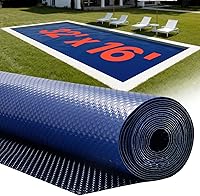
A solar cover floats on the water with its bubble side down. The bubbles absorb sunlight and help hold warmth, while the cover also limits water evaporation when it's on the pool.
How do solar pool covers really work?
Solar pool covers use sunlight and a layer of bubbles to warm water and slow heat loss. They sit directly on the surface, so the cover needs to fit the pool closely and stay in place during the hours you want it to work.
Sun2Solar describes its covers as thermal bubbles that capture the sun's UV rays. It says the bubble side should face the water to work effectively.
A cover can also block leaves and other debris from falling into the pool. It won't replace regular cleaning, water care, or a winter closing cover.
For a broader look at styles and uses, see our guide to types of pool covers. A solar cover serves a different purpose from a winter or safety cover.
How much warmer can a solar cover make a pool?
A solar cover may raise water temperature, but the amount varies with the weather and how you use it. Sun2Solar claims its cover can raise water temperature by up to 15°F, but that figure isn't a promise for every pool.
Direct sun, cooler nights, wind, pool size, and the cover's fit all affect heat gain and loss. Covering the pool after swimming can help retain warmth overnight, while a cloudy stretch may limit the heat available to absorb.
A cover is not a substitute for a pool heater when you need precise or steady temperature control. If you want to compare common thicknesses, read 12 mil vs 16 mil solar pool covers.
Do solar pool covers reduce evaporation and water loss?
Yes, a cover can reduce evaporation while it covers the water. Sun2Solar, BigXwell, and VEVOR each claim evaporation reductions of up to 95% for their covers, though actual results depend on pool use and conditions.
Less evaporation can mean less frequent refilling and less loss of pool chemicals through evaporation. Take the cover off while swimming, then put it back when the pool is not in use.
A solar cover can also keep some debris out, but it isn't a sealed barrier. Skim and clean the pool as needed, and use the right cover for your pool's safety and winter needs.
What can stop a solar cover from working well?
Poor fit, limited sun, and inconsistent use can reduce a solar cover's benefit. A cover that leaves large areas of water exposed won't provide the same coverage as one cut to fit.
Measure the pool before choosing a size, especially for an oval or irregular shape. Some covers can be trimmed with scissors; follow the maker's instructions and trim carefully so you don't cut away too much.
BigXwell and VEVOR say their covers can be trimmed to fit different shapes. For help sizing a cover, see how to measure your pool for a cover.
A reel can make it easier to put the cover on and take it off regularly. See how to put a solar cover on a reel for the basic process.
Which solar pool cover might suit your pool?
Choose a cover by pool shape, dimensions, and thickness, then check that it can cover the water you want to protect. These options include a round 12 mil cover and two 16 mil covers in different shapes.
The Sun2Solar is a 24 ft round, 12 mil cover. Its maker says it can be trimmed for different pool shapes and used with most solar reels.
The BigXwell measures 16 x 32 ft and is 16 mil thick. Its maker describes it as suitable for inground and above-ground pools and says it can be trimmed to fit.
The VEVOR is an 18 ft round, 16 mil cover made from PE. Its maker says it can be trimmed for irregular pool shapes and is intended for inground or above-ground pools.
For a closer look at the right size for your pool, compare our guides to solar covers for inground pools and solar covers for above-ground pools.
Do solar pool covers work in every kind of weather?
They can help retain heat in different conditions, but they can't create sunlight or prevent all heat loss. Sunlight gives the cover heat to absorb, and cool or windy conditions can still affect the water.
BigXwell says its cover can hold temperature on cloudy days and chilly nights. VEVOR says its cover helps absorb heat during the day and reduce heat loss at night.
Those are brand claims. Your pool's exposure, local weather, and cover use determine what you'll notice.
How should you use and store a solar pool cover?
Place the cover bubble side down, cover the pool when it's not in use, and remove it before swimming. Follow the care instructions for the specific cover you choose.
A reel can make removal and positioning easier, though it's optional. Avoid dragging the cover over rough surfaces, and let it dry as directed before storing it.
The Sun2Solar and VEVOR covers specify hand washing. BigXwell says to hand wash with mild detergent and air dry.
Are solar pool covers worth it?
A solar cover is worth considering if you want to use sunlight to help warm the pool and reduce evaporation. It makes less sense if you need exact temperature control or don't want to put on and remove a floating cover.
Pick a cover that matches your pool's shape and dimensions, then use it regularly when the pool is not in use. If your main need is winter protection, compare winter pool covers instead.
Frequently asked questions
Do solar pool covers really warm the water?
Yes, a solar cover can help warm pool water by absorbing sunlight and reducing heat loss. Sun, air temperature, wind, pool size, and how long the cover stays on all affect results.
Sun2Solar says its cover can raise water temperature by up to 15°F, but that is a brand claim, not a guaranteed result.
Should the bubbles face up or down on a solar pool cover?
Place the bubble side down against the water, following the cover maker's directions. The bubbles help capture and hold heat at the water's surface.
If your cover has printed instructions, follow those for its orientation and care.
Do solar pool covers reduce evaporation?
Yes, covering the water can reduce evaporation while the cover is in place. Sun2Solar, BigXwell, and VEVOR each claim reductions of up to 95% for their covers.
Actual savings depend on pool conditions and how consistently you cover the water.
Can a solar pool cover be used with a reel?
Many solar covers can be paired with a reel, which makes positioning and removal easier. Sun2Solar says its covers fit most solar reels, though a reel isn't required.
Check that the reel and cover suit your pool's shape and dimensions.