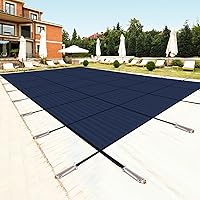
How to Remove Snow From a Pool Cover
Leave light, fluffy snow alone and remove only what the cover can't safely carry. When you do clear a pool cover, use a plastic shovel or broom from the edge inward and never stand or walk on it.
On this page (9 sections)
- When should you leave snow on a pool cover?
- How much snow is too much for a pool cover?
- What tools remove snow from a pool cover safely?
- How to remove snow from a pool cover in steps
- Can you pump water while snow sits on the cover?
- How should you clear snow from a safety cover?
- What should you do after the snow is gone?
- When should you call a professional?
- How to keep a cover manageable all winter
Here's how to remove snow from pool cover without damaging it: clear only what the cover can't carry, and do it gently from the edge. Most winter covers handle a light snowfall on their own, so heavy work is only needed after a big storm or when the load looks like it's stretching the cover.
The goal is protecting the cover and the water level under it. A wrong move, like walking on the cover or chipping ice with a metal edge, costs more than a few minutes saved.
When should you leave snow on a pool cover?
A few inches of light, fluffy snow can stay put. A thin layer insulates the water and adds almost no strain, so there's no need to rush out after every flurry.
The picture changes with depth, wetness and time. Heavy, wet snow weighs far more per inch than powder, and a load that sits through a freeze-thaw cycle turns denser and heavier.
Check the cover's published snow-load rating if you have the paperwork from installation. A solid safety cover is built to a stated load; a basic winter cover is not.
Look at how the cover sits before deciding. A cover sagging toward the water and pulling at its straps or anchors is carrying too much, even if the depth looks modest.
How much snow is too much for a pool cover?
Start clearing when the snow is deep enough to sag the cover or hide the straps. That's usually the point where the cover's own rating and your eyes agree the load is more than it should hold.
A cover that looks flat and taut is fine. A cover with water puddles under the snow, or one that has pulled its edges up off the deck, needs attention.
Don't wait for the cover to fail first. A tear from snow load is a costly repair, and pooled water under the snow can push the cover down further.
For a mesh cover, snow melts through in patches and the load tends to clear itself more quickly. For a solid cover, the snow sits on top, so the load matters more.
Our mesh vs solid pool cover comparison covers how each type handles winter weather.
What tools remove snow from a pool cover safely?
A plastic snow shovel, a soft broom or a roof rake with a plastic head is the safe kit. Anything metal risks a puncture, and a snowblower's auger can catch straps and anchors.
A long-handled plastic shovel lets you stand on the deck and reach over the edge. A push broom with soft bristles works well for the first pass on powder.
Skip ice picks, metal scrapers and garden spades. These are the tools that turn a routine job into a cover repair.
If the cover has a pump or hose running, know where it sits before you start. Burying a pump under snow and then shoveling near it is an easy way to damage the pump or the hose.
How to remove snow from a pool cover in steps
Work from the deck, from the edges toward the middle, in light passes. That order keeps the load balanced and stops snow from sliding into one heavy heap.
- Clear the deck around the cover first, so you have room to move safely.
- Start at the shallowest edge with a plastic shovel or broom.
- Push snow off the cover and onto the deck rather than lifting it.
- Move in light passes across the cover, never digging down into it.
- Leave a thin base layer if the snow is light and the cover is rated for it.
- Check the straps and anchors as you go and stop if anything pulls loose.
Clear in the morning when the snow is cold and light, rather than after a thaw when it's wet and heavy. Stop at the first sign of strain in the cover or its seams.
How to clear snow without damaging the cover
Keep the shovel blade flat against the cover and push. Don't lever the tool under the snow or use the cover as a pivot point.
Work slowly near seams, straps and the cover's edge where the material is stitched or attached. A stitched seam is the first place a sharp tool will catch.
On a solid cover, leave a thin layer where the snow is fluffy. You aren't trying to make the cover bare; you're reducing the load to what the cover can carry.
Can you pump water while snow sits on the cover?
Yes, and it's often the better move than shoveling. A cover pump sitting in a low spot takes off meltwater as the snow clears, so you don't have to carry the water's weight along with the snow's.
Clear the pump's intake screen before a storm and set the pump in the lowest part of the cover. Check the discharge hose runs downhill and stays clear of snow.
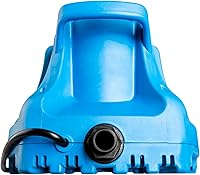
Why the Little Giant APCP-1700 suits a snowy cover
The Little Giant APCP-1700 is a good fit for a cover that collects meltwater all winter. It switches on in about 2 inches of water and shuts off when the level drops to about 1 inch.
Its 1 inch FNPT discharge comes with a 3/4 inch garden hose adapter, so it works with a standard hose. The compact weighted base keeps it in place in a low spot.
Little Giant warns to bring it indoors when temperatures drop below 32°F, since a frozen hose can strain the motor.
How should you clear snow from a safety cover?
Use the same gentle method, but respect its anchors. A safety cover is rated for a load and held by straps and springs, so keep the shovel off the anchor points and the strap seams.
Don't undo or loosen anchors to remove snow. The tension is part of what holds the cover in place and supports the load.
Check the cover's snow rating from your install paperwork. If you're choosing between cover styles, our safety cover vs winter cover guide explains what each type is built to carry.
Why the Wayne WAPC250 suits a heavy-snow cover
The Wayne WAPC250 is the pump to pick when snow and meltwater pile up fast. It moves up to 3,000 gallons per hour through a 1-1/4 inch drain hose and switches on once the water is at or above 2-1/8 inches.
The strainer base filters debris to reduce clogging, and its protection circuit shuts the motor down if a locked impeller or ice jams it. It also has automatic freeze protection in the switch.
Wayne says it won't run dry and backs it with a 3-year warranty. The 25 foot pull-to-shore rope lets you position it without stepping onto the cover.
What should you do after the snow is gone?
Check the water level, the cover's straps and the pump, then leave a light layer if more snow is coming. That last look is where most winter damage gets caught early.
Look for stretched seams, popped straps and low spots that hold water. A cover that keeps pooling in one spot needs the pump moved there or a small weight adjusted.
Clean the pump's intake screen and confirm the hose still drains away from the pool. Bring the pump indoors if a hard freeze is forecast and you won't be using it.
Why the VINGLI 18 ft reel earns a place in a winter setup
If your cover is a solar cover rather than a winter cover, a reel keeps the cover off the snow line and easy to move when you do need to clear it. The VINGLI 18 ft reel fits in-ground pools from 14 to 18 feet wide.
It has a 3-section aluminum tube and stainless legs that resist rust. A one-hand crank rolls the cover up smoothly, and the mechanical lock holds it in place.
It suits solar covers that sit on the pool during shoulder seasons, not the winter cover itself.
When should you call a professional?
Call a pool pro if the cover has torn, an anchor has pulled out, or the water level under the cover has dropped a lot. Those are signs the cover or pool needs a proper check, not more shoveling.
Don't try to patch a torn safety cover while snow is on it. Wait for clear weather, then have the tear assessed before the next storm.
If the pool water level looks low under the cover, stop pumping and have it checked. A pump running on a dry or nearly dry cover can be damaged.
How to keep a cover manageable all winter
The easiest way to handle how to remove snow from pool cover is to set up the cover well before winter. Measure carefully so the cover fits taut, since a loose cover sags and holds more snow.
Our guide to how to measure for a pool cover walks through the steps for any shape.
Follow the maker's steps for how to install a winter pool cover so the straps and anchors carry the load as intended. A cover installed correctly handles snow better than a loose one.
Keep a plastic shovel and broom by the deck, and set the pump in the low spot before the first storm. For a big snowfall, clear in light passes and let the pump handle the meltwater.
Pick the Little Giant APCP-1700 for routine meltwater on most covers. Choose the Wayne WAPC250 if your cover collects heavy, fast meltwater.
Add the VINGLI reel only if you're managing a solar cover. When the snow gets too deep to clear safely from the deck, call a pro rather than stepping on the cover.
Frequently asked questions
Can I use a snowblower on my pool cover?
Don't. A snowblower's metal auger and skid shoes can tear the cover and the blades can catch straps or anchors.
Use a plastic shovel or broom instead.
Does snow insulate a pool and keep it warmer?
Yes, a light layer of snow acts as insulation and can keep the water a little warmer than bare ice. That's one reason a small amount is often best left in place.
Can I walk on the cover to shovel it?
No. Even a safety cover isn't a walking surface, and walking on a winter cover pushes it into the water and strains its seams.
Stay on the deck and reach in with a long tool.
What should I do if the cover already tore under the snow?
Stop clearing and stop pumping so you don't pull more water or snow into the tear. Call a pool professional to assess the cover and the water level underneath.