Why Are Solar Pool Covers Blue and Not Black?
Solar pool covers are blue because blue blocks the light algae needs while still passing enough sun to warm the water, and it stays cooler and hides stains better than black. Black absorbs the most heat, which can push water past a comfortable swim temperature and wear the plastic faster.
On this page (9 sections)
- Why are solar pool covers blue and not black?
- Does a black solar cover heat the water faster?
- What does the blue color do to algae and pool chemistry?
- Is blue better than black for keeping the pool cool?
- Does the cover color affect how long the plastic lasts?
- How do blue and black covers compare on evaporation and heat loss?
- Why do some covers combine blue and black in one sheet?
- Which cover should you buy for your pool?
- What should you remember when picking a color?
Solar pool covers are blue because blue blocks the wavelengths algae use to grow while still letting visible sun through to warm the water. Black absorbs more heat, but that extra absorption can overheat the top layer and speed up how fast the plastic breaks down.
The question comes up a lot when people shop for a replacement cover. Blue is the color most makers pick, but blue and black sheets do different jobs in the water.
The answer sits in light, heat and how long the sheet lasts, not in style.
Why are solar pool covers blue and not black?
Blue is the compromise between heating the pool and keeping algae in check. A cover has to pass sunlight to warm water, but too much light and trapped warmth feed algae growth.
Blue plastic filters out part of the red end of the spectrum while passing enough energy to raise the water temperature. It also keeps the sheet's surface cooler than black, so the top layer of water stays closer to the temperature below.
Black absorbs almost all the sun's energy. That heats the cover itself and the thin layer of water touching it fast.
In a shallow pool or a hot climate, that can push surface water past what feels good to swim in.
The color also shows wear. Blue hides mineral film, sunscreen and small stains longer than black, which shows white marks and faded patches.
Does a black solar cover heat the water faster?
Yes, a black cover warms water faster than a blue one on the same day. Black absorbs more solar energy, so the heat that reaches the pool goes up.
That helps in spring and fall, or in a pool that sits in shade part of the day. The downside is the same thing that makes it fast.
The cover gets hot, the top inches of water get hot, and the deeper water takes longer to catch up.
For most inground pools in a warm climate, the extra speed isn't worth the comfort hit. A blue cover still collects plenty of heat, and the bubbles underneath keep it in place overnight.
The best color for your pool depends on your climate and how you use it. Our guide to what color solar pool cover is best walks through clear, blue and black in more detail.
Why blue covers are easier to live with day to day
A blue cover stays cooler to the touch when you pull it off. That matters if you roll and unroll it by hand each day.
The blue side faces up and takes the sun and UV. The black side faces the water and holds heat close to the pool.
You get light blocking and warming in one sheet, and the lighter top layer stays easier to handle.
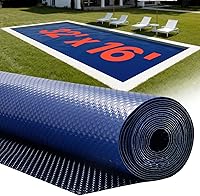
This size suits a large rectangle, and the sheet trims to fit odd shapes. The PE material resists stretching and tearing for outdoor use.
What does the blue color do to algae and pool chemistry?
Blue limits the light algae can use, so it slows growth compared with a clear cover. It doesn't stop algae, and it doesn't replace chlorine.
Algae needs light and warmth to bloom. A clear cover passes almost all the light and turns the pool into a warm, bright tank.
A blue cover cuts part of that light while still heating the water.
The blue tint also helps keep chemicals in balance by reducing how fast chlorine breaks down in direct sun. Less sun on the water means less chlorine used up, and fewer surprises when you test.
Black blocks more light than blue, so it slows algae more. But the heat it adds can make the water warm enough to speed up growth anyway.
That's the trade-off.
Is blue better than black for keeping the pool cool?
Blue keeps water at a more even, comfortable temperature than black in hot weather. Black can overheat the top layer and make the pool feel too warm to enjoy.
In a hot climate, the goal flips. You want a cover that holds heat overnight without baking the water at noon.
Blue does that better than black.
Black is the pick for a cool climate or a short swim season. It gathers more heat when the sun is weak and helps stretch the season at both ends.
If your pool already runs warm, skip black. A blue or clear sheet keeps the water in a range people actually swim in.
When black makes more sense than blue
Black suits a pool in a cool region with a short season and no shade. It's also handy in spring when you want the water up fast.
This is a 16 mil rectangle in blue, thick enough to resist tearing and fading under strong sun. It's cuttable to fit a pool of almost any shape, and the bubbles hold heat after the sun goes down.
The thicker sheet costs more than a 12 mil cover but lasts longer. That makes it a solid choice for a pool used most of the year.
Does the cover color affect how long the plastic lasts?
Dark covers age faster than blue ones under strong sun. Black gets hotter, and heat plus UV is what breaks down the plastic.
Every solar cover is a thin sheet of PE with air bubbles. Sun and heat make the plastic brittle over time.
A black cover reaches a higher surface temperature, so the same sheet in black tends to crack and fade sooner.
Blue runs cooler on top, so it usually lasts longer at the same thickness. That's one reason makers default to blue for a general-purpose cover.
Thickness matters more than shade. A 16 mil blue cover outlasts a 12 mil black one in most cases.
Check the mil rating before you compare colors.
How do blue and black covers compare on evaporation and heat loss?
Both colors cut evaporation and hold heat overnight, and the difference between them is small. The bubbles do most of the work, not the color.
A cover floats on the water and traps a layer of air in its bubbles. That layer slows evaporation and heat loss whether the sheet is blue or black.
Evaporation drops by up to 95% with a typical bubble cover.
Overnight, the color barely matters. The trapped air and the sheet sitting on the water keep heat in.
A blue cover holds heat about as well as a black one of the same thickness.
Color changes how fast the pool warms during the day. It doesn't change how well it keeps heat after dark.
Why do some covers combine blue and black in one sheet?
A blue top layer and a black underside give you both jobs in one cover. The blue side faces the sun and the black side faces the water.
The blue surface takes the UV and stays cooler to handle. The black underside absorbs heat right at the water line.
Together they block light and warm the pool at the same time.
Many covers sold as blue and black use this two-tone build. It's a practical way to get light blocking without a hot, fast-aging top layer.
If you buy a two-tone cover, keep the blue side up. Flipping it puts the black side in the sun and undoes the benefit.
Which cover should you buy for your pool?
Pick a blue cover for most pools, and choose black only if your water runs cool and you want faster heating. Blue gives you steady warmth, slower algae growth and longer plastic life.
For a big rectangle, a 16 mil blue sheet covers a lot of water and holds heat well. For a smaller round pool, a lighter 12 mil cover is easier to move on and off.
This round blue cover is light enough to pull off by hand. It's designed to fit around protrusions, and the extra overlap trims to size.
A reel makes daily use easier; see our guide to the best solar pool cover reel for options.
If you have a big inground pool, compare solar pool covers for inground pools before you choose a size. Above-ground owners can start with the best solar covers for above ground pools.
What should you remember when picking a color?
The short answer to why are solar pool covers blue and not black is balance. Blue blocks algae-friendly light, stays cooler to handle and hides stains, while black heats faster but can overheat water and age sooner.
Pick blue if you want a steady temperature, less algae and a cover that lasts. Pick black if your pool runs cold and you want the water up fast.
Pick a blue and black sheet if you want light blocking and warming in one cover.
Check thickness first, then color. A thicker blue cover beats a thin black one on heat retention and lifespan.
Measure your pool and trim to fit, and keep the blue side up if your cover has two layers.
Frequently asked questions
Does a black solar cover heat a pool faster than a blue one?
Yes, black absorbs more of the sun's energy and can raise the water faster on a cool day. The trade-off is a warmer surface layer and more plastic strain, so a tinted cover balances heating speed with comfort and durability.
Can algae grow under a blue solar cover?
Algae can still grow under blue, because the cover passes enough light for it and traps warmth. A dark or opaque cover blocks more light and slows growth, but neither color replaces balanced chemicals and regular cleaning.
Does the color of a solar pool cover affect how well it holds heat overnight?
Only slightly. Heat retention comes from the trapped air bubbles and the layer sitting on the water, so a blue and a black cover of the same thickness and bubble count lose heat at close to the same rate after sunset.
Why do some covers have blue and black layers together?
A blue layer faces the sun and a black layer faces the water. The blue surface takes the UV and the black underside absorbs heat close to the pool, so you get light blocking and warming in one sheet.