How Much Does an Inground Pool Cover Cost?
Most inground pool covers cost from a few hundred dollars for a basic solid winter tarp to well over a thousand for a deck-anchored safety cover. The cover type, the pool's size and shape, and the materials decide the total, and water tubes or a cover pump add a little more.
On this page (8 sections)
- What drives the price of an inground pool cover?
- How much does a solid winter inground pool cover cost?
- What do heavier winter covers add to the bill?
- How much does a pool safety cover cost?
- Are solar covers cheaper, and when do they pay off?
- What supplies add to the total cost?
- How does pool size and shape change the number?
- How do you budget for an inground cover?
Most inground pool covers cost from a few hundred dollars for a basic solid winter tarp to well over a thousand for a deck-anchored safety cover. The cover type, the pool's size and shape, and the materials decide the total, and water tubes or a cover pump add a little more.
That range answers the headline question, but the useful number is the one for your pool. A 20 x 40 ft rectangle and an odd-shaped pool with steps land in very different places even when both buy the same type of cover.
What drives the price of an inground pool cover?
Type first, then size and material. A solid winter cover, a mesh cover, a safety cover and a solar cover are four different products with four different price bands.
Size is the next lever. Covers are sold by pool size but include an overlap beyond the edge, so a larger pool means more material.
Material weight and scrim count raise the cost within a type, since heavier woven polyethylene is built to last longer than a light tarp.
Shape and extras finish the job. A rectangle uses stock sizes, while steps, a buddy seat or an L-shape need a custom cover.
Add water tubes, a pump or deck anchors and the total climbs.
Stock size or custom fit?
A 20 x 40 ft rectangle is the most common inground size and the easiest to buy for, because covers like the Blue Wave and the Robelle are made to it. Anything that breaks the rectangle moves you into custom territory.
A pool with steps or a buddy seat needs either a larger stock cover or a made-to-measure one, and the second option costs more and takes longer to arrive. Measure the pool first and check the overlap included, so you don't pay for a size you don't need.
How much does a solid winter inground pool cover cost?
A solid winter cover for an inground pool is the budget-friendly type, usually priced in the few-hundred-dollar band for a standard rectangle. It's a debris cover that seals the pool for the off-season, and it's the type most owners buy first.
A 20 x 40 ft cover shows what you get. The Blue Wave Arctic Armor is built from 7x7 scrim woven polyethylene with heat-sealed seams, and it includes a vinyl-coated cable and metal winch that thread through grommets every 2 ft.
Sewn loops every 4 ft let you add water tubes, sold separately.
The Blue Wave is a debris cover, not a safety cover, so never walk on it. Its 8-year limited warranty runs full coverage in year 1 and prorated after that.
For more winter options at this price level, see our roundup of the inground pool covers for winter.
What do heavier winter covers add to the bill?
More material weight and a tighter scrim push a solid cover up within the same band. That extra density is what you pay for when you want a cover built to survive several winters.
The Robelle Super Winter cover for 20 x 40 ft pools uses heavy-duty polyethylene at 2.36 oz per square yard with an 8 x 8 scrim. It includes a 5 ft overlap, so the material measures 25 x 45 ft, and Robelle backs it with a 10-year warranty.
It's solid, so water collects on top rather than draining through.
Robelle recommends vinyl water tubes around the perimeter and sells them separately. Budget for those, and plan to fold excess material under the tubes so it doesn't sit on the deck.
Both covers land in the same general price tier, and the heavier build is the reason to choose the Robelle.
How much does a pool safety cover cost?
A safety cover is the most expensive common type, because it adds straps, springs and deck anchors and has to carry weight. The anchors are drilled into the deck, so installation is part of the cost, not just the cover.
That price gap is why the type matters more than the size. A winter tarp keeps leaves out; a safety cover also keeps children and pets out.
If the pool sits where people walk or play, the extra spend buys real protection.
We cover the full range in our guide to how much does a pool safety cover cost, including mesh versus solid and what installation adds. Price a safety cover against your household's risk before you decide the tarp is enough.
Are solar covers cheaper, and when do they pay off?
A solar cover is the least expensive type by far. It's a thin bubble film that floats on the water during swim season, heating the pool and slowing heat loss at night.
It doesn't protect the pool in winter.
Because the material is light and sold in rolls or sheets, the cost per square foot is small next to a solid winter cover. The payback comes from a warmer pool and less heater run time.
A solar cover also needs replacing more often, so the low price is balanced by a shorter life.
If you swim late into fall or want heat retention, our picks for the solar pool cover for inground pools show what the light film versions offer. Keep the winter cover for the off-season and the solar cover for the season.
What supplies add to the total cost?
Water tubes and a cover pump are the two extras that most often surprise buyers. Many solid covers include a cable and winch but sell the tubes separately, and a pump is almost always a separate buy.
Tubes hold the cover down in wind and snow. A pump clears the standing water that collects on a solid cover, which matters because a layer of water adds weight and can pull the cover loose.
Both are small costs next to the cover, but they belong in the budget.
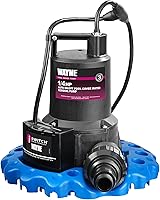
The Little Giant APCP-1700 is an automatic pump that starts in about 2 in of water and shuts off when the level drops to about 1 in. It moves up to 1,700 GPH at a 1 ft lift, includes a 25 ft cord, and takes a standard 3/4 in garden hose through the included adapter.
Little Giant says to bring the pump indoors when temperatures fall below 32°F, since a frozen hose can strain the motor. Compare automatic options in our guide to the pool cover pump for inground pool.
What does the pump's screen and float switch save you?
The pump has a removable intake screen that keeps debris out and clears an airlock, so you spend less time fishing leaves out of the intake. Its integrated float switch is what makes it automatic: it activates in about 2 in of water and shuts off when the level falls to about 1 in.
That means it can sit on the cover and run without you watching the water depth. The compact weighted base keeps it stable on a slack cover, and the built-in handle makes it easy to lift off when the cover comes up in spring.
How does pool size and shape change the number?
Bigger pools and custom shapes cost more, and the jump is steepest on safety covers. A rectangle in a stock size, like 20 x 40 ft, is the cheapest footprint because the cover comes ready-made.
An oval, an L-shape or a pool with steps needs either a larger stock cover or a custom one. Steps and a buddy seat in particular mean going up a size, as Robelle advises, so you pay for material you won't see on the water.
Custom safety covers cost more again because the straps and anchors are laid out for your deck.
Measure the pool and add the overlap before you shop. Buying by pool size is correct for most covers, but a shape irregularity pushes you to the next size up.
How do you budget for an inground cover?
Set your type first, then size, then supplies. Pick a winter debris cover if you only need off-season protection, a safety cover if people or pets reach the pool, and a solar cover for swim-season heat.
For a standard rectangle, a solid winter cover in the few-hundred-dollar band plus tubes and a pump covers most needs. Choose the Blue Wave if you want the cable and winch in the box, or the Robelle for the heavier scrim and longer warranty.
Add the Little Giant pump to keep water off either one.
When you ask how much does an inground pool cover cost, the honest answer is that the type moves the number more than anything else. Decide the type against your household, size it to the pool, and the rest of the budget falls into place.
If your pool needs a different shape or you want the safety-cover comparison, read how much does a pool safety cover cost next. For the off-season shortlist, the winter cover roundup is the place to start.
Frequently asked questions
How much does an inground pool cover cost for a typical 20 x 40 pool?
A solid winter cover for a 20 x 40 ft pool sits in the few-hundred-dollar band, while a safety cover for the same footprint costs more because it adds straps and deck anchors. Solar covers are the cheapest type, and custom shapes push every type up.
Is a safety cover worth the extra cost over a winter tarp?
Yes if children, pets or foot traffic reach the pool area. A safety cover carries weight and anchors to the deck, while a winter tarp only keeps out debris.
Price the difference against the risk you're covering.
Do I need to buy water tubes and a pump separately?
Often yes. Many solid winter covers include a cable and winch but sell water tubes separately, and a cover pump is almost always a separate buy.
Add both to your budget so standing water doesn't weigh the cover down.
Does pool shape change the price of an inground cover?
Yes. Rectangular covers are the standard size and the least expensive, while L-shapes, ovals and pools with steps need custom sizing or a larger stock cover.
Custom covers cost more and take longer to arrive.
Are solar covers cheaper than winter covers?
Yes, by a wide margin. A solar cover is a thin bubble film that heats and holds heat during swim season, so it costs far less than a solid winter cover.
It doesn't replace a winter cover for off-season protection.