How Do You Keep Water Off a Pool Cover?
Keep water off a pool cover by fitting it securely, clearing debris, and removing puddles promptly with a cover pump or a safe siphon. Check the cover after rain and snow, and follow its care instructions.
On this page (8 sections)
- How do you keep water off a pool cover?
- Why does water collect on a pool cover?
- Should you use a pump or siphon to drain the cover?
- How do you use a pool cover pump safely?
- How often should you check a pool cover for water?
- How can you prevent debris and damage?
- What should you do with the drained water?
- Which method should you use to keep water off a pool cover?
Keep water off a pool cover by fitting and supporting the cover as directed, clearing debris, and removing puddles promptly with a cover pump or a safe siphon. Check after rain and snowmelt, since water can collect in low spots as a cover sags.
A cover pump handles water that's already there. Regular checks and proper fit help you spot pooling early, while a clear discharge route keeps drained water from returning.
How do you keep water off a pool cover?
Inspect the cover after storms and drain standing water before it builds up. Keep leaves and branches from blocking drainage, and follow the cover maker's guidance for installation and support.
Use a pump designed for pool cover drainage, or siphon water only when you can route it safely to a lower area. Don't walk onto a cover to reach a puddle.
Keep children and pets away from a water-loaded cover, and address a loose or damaged cover before relying on a pump.
For help choosing a cover style and fit, see our guide to types of pool covers. A suitable cover and installation matter because pumps remove pooled water but don't correct a poor fit.
Why does water collect on a pool cover?
Rain and melting snow collect in low spots, especially when a cover sags or debris blocks water from draining. A loose fit, worn cover, or support problem can make those dips more likely.
Check the cover's tension and supports according to its instructions. Clear leaves and small branches without standing on the cover or dragging sharp tools across it.
If water repeatedly gathers in one area, look for a change in fit, support, or cover condition. Our guide to how long a pool cover lasts explains signs that may mean it's time for a replacement.
Should you use a pump or siphon to drain the cover?
Use a pool cover pump when you want powered drainage; use a siphon when gravity can move water safely to a lower drain area. Either method needs a clear route that keeps water away from the pool edge, electrical equipment, and walkways.
A pump is a practical choice for recurring puddles or when you want an automatic model to switch on at a set water level. A siphon avoids powered equipment, but it needs the right height difference and setup.
Read how to siphon water off a pool cover for setup steps and limits. If you choose a pump, check the hose connection, power cord reach, and the amount of water it needs to handle.
How do you choose a pump for standing water?
Match the pump to how often water collects, how much you need to drain, and whether you want automatic operation. Also check the power source, hose adapter, cord length, and the minimum water depth it can remove.
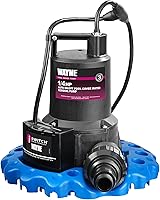
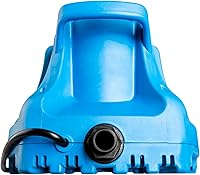
The Acquaer pump has automatic operation, a 25 ft power cord, and a stated flow rate of up to 2,250 gallons per hour. Its bottom suction design is specified to remove water down to 3/4 in.
Place the pump according to its instructions and keep the intake clear of debris. Route the discharge hose so water cannot run back onto the cover.
The Acopair pump is specified at up to 5,000 gallons per hour and includes several adapters. Its automatic switch is described as starting above 2.17 in of water and stopping below 3/4 in after a 30-second run time.
Choose a higher stated flow rate only if it fits your drainage setup and needs. A fast pump still needs a suitable outlet and a hose route that can carry the water away.
When is a lower-flow pump a better fit?
A lower-flow pump can suit smaller puddles or a cover where you prefer a slower drainage rate. Compare the activation level and remaining water depth as well as the flow rate.
The FOTING model is specified at up to 2,250 gallons per hour, with automatic operation that starts when water reaches 1 in. It is described as pumping down to about 1/5 in, then running for an additional 30 seconds.
The Blue Wave Dredger Jr. is a manual pump with a stated 350 GPH flow rate, a 25 ft cord, and direct garden hose connection. Its maker says it pumps down to within 1/8 in of the surface.
The Blue Wave model is specified for above-ground pool covers. Don't leave it in water that may freeze, since ice inside the chamber can damage it.
How do you use a pool cover pump safely?
Read the pump instructions, place it on the cover as directed, and keep its electrical connections dry. Check that the discharge hose points to a safe drain area before switching the pump on.
Keep the cord away from standing water where possible, and don't use damaged cords, plugs, or outlets. Avoid extension cords unless the pump maker and electrical guidance allow them.
Stay nearby while a manual pump runs, and check that the hose remains in place. Follow the instructions for an automatic pump too, including how to position it and what to do when drainage is complete.
If the pump stops working or water remains, see pool cover pump troubleshooting before restarting it. Disconnect power before inspecting or cleaning the pump.
How often should you check a pool cover for water?
Check after rain, snow, or a thaw, and inspect regularly during wet weather. The right schedule depends on local conditions and how quickly water gathers on your cover.
A brief look can reveal pooling, debris, a slipped edge, or a pump that has moved. Clear the discharge path and make sure the water is draining away from the pool.
Don't wait for a large puddle before taking action. If the cover is sagging or its supports appear damaged, follow the maker's guidance before removing water.
How can you prevent debris and damage?
Keep the cover clear and use tools that won't puncture or scrape it. Remove leaves and small branches gently, following the care instructions for your cover material.
Don't use sharp tools or pull heavy debris across the surface. Avoid adding extra weight to hold a cover down unless its instructions call for it.
When water is gone, clean and dry the cover as directed. Our guide to cleaning a pool cover before storage covers basic care, while folding a pool cover for storage explains how to put it away.
What should you do with the drained water?
Send pump or siphon discharge to a safe area where it won't flow back onto the cover. Avoid directing water toward the pool, a foundation, a neighbor's property, or a path where it could create a hazard.
Check local rules if you're draining treated pool water. Keep hoses from blocking walkways, and don't let water collect near electrical outlets or equipment.
After drainage, check the cover again. If water returns quickly, inspect the fit and support, then decide whether a pump, siphon, or cover repair best suits the recurring problem.
Which method should you use to keep water off a pool cover?
For recurring puddles, choose an automatic pump that matches your water level and discharge setup. For occasional pooling where gravity can carry water safely, a siphon may be enough.
Pick a lower-flow manual pump for smaller amounts and simple operation, or compare pump features in our guide to automatic pool cover pumps. Whichever method you use, inspect the cover after storms and correct sagging or damage that keeps bringing water back.
Frequently asked questions
How do you keep rainwater from collecting on a pool cover?
Use a cover that fits your pool and is installed as its maker directs, keep leaves and other debris clear, and check for standing water after storms. Remove puddles with a pool cover pump or a suitable siphon.
A pump helps drain water, but it doesn't replace proper cover support or regular inspection.
Can you leave water on a pool cover?
Don't let standing water build up unchecked. Water adds weight and can strain a cover or its supports, and a sagging cover may collect more.
Check the cover after rain or snowmelt, remove puddles safely, and follow the cover maker's instructions for support, drainage, and maintenance.
Is a pool cover pump better than a siphon?
A pool cover pump is useful when you want powered drainage, and an automatic model can switch on when water reaches its sensing level. A siphon can work without a pump when you can set it up safely and water can drain to a suitable lower spot.
Choose based on the cover, outlet access, and amount of water.
Where should pool cover pump water go?
Route discharge to a place where water can drain without flowing back under the cover, flooding a walkway, or reaching electrical equipment. Follow local drainage rules and the pump instructions.
Keep plugs and connections dry, and use only an outlet and setup suitable for the pump.