How Do You Siphon Water Off a Pool Cover?
To siphon water off a pool cover, place the siphon intake in the pooled water, run the hose outlet to a lower spot, and start the flow as the maker directs. Keep the hose and water away from electrical equipment, and watch the cover as the water drains.
On this page (7 sections)
- How do you siphon water off a pool cover?
- Where should the siphon hose outlet go?
- How do you use a manual pool cover siphon?
- What should you check before starting?
- When should you use a cover pump instead?
- How do you keep water from collecting on the cover?
- Which method should you choose to siphon water off a pool cover?
To siphon water off a pool cover, place the siphon intake in the pooled water, route the hose outlet to a lower spot, and start the flow as the maker directs. Keep the hose and discharge away from electrical equipment, and watch the cover while water drains.
A manual siphon can work without a powered pump, but it depends on gravity and a suitable place for the water to go. If the outlet can't sit lower than the puddle, use a cover pump instead.
How do you siphon water off a pool cover?
Position the intake in the deepest part of the puddle and the outlet downhill, then start the siphon according to its instructions. Keep the hose from slipping and check that water flows away from buildings and walkways.
- Choose a drainage spot lower than the water on the cover.
- Place the siphon intake in the pooled water, following its instructions.
- Route the hose to the drainage spot without kinks or sharp bends.
- Start the flow using the siphon's built-in method.
- Watch the water level, hose, and outlet until you stop the siphon.
Don't use your mouth to start a siphon. If the included instructions don't explain how to prime it, contact the maker before use.
Where should the siphon hose outlet go?
Put the outlet lower than the pool cover and where runoff can safely drain away. Water should not flow toward a foundation, electrical equipment, a neighboring property, or a place where it can pool and create a hazard.
Check local drainage rules before directing water into a street, drain, or yard. Avoid a route that crosses a walkway, since a loose hose or wet surface can trip someone.
A siphon stops moving water if its outlet rises above the water level on the cover. If you can't find a safe lower spot, a cover pump may fit better; see our guide to the best pool cover pumps for inground pools.
How do you use a manual pool cover siphon?
Follow the siphon's own setup directions and keep it stable as it drains. The Swimline Cover Saver Siphon is a manual option for readers who want to move cover water without relying on electricity.
The Swimline siphon is made of plastic and has a 1-year manufacturing-defect warranty. Its model information gives a 12 ft round size, so check that it suits your cover before choosing it.
Don't assume every siphon starts or stops the same way. Read its instructions, keep the intake submerged as directed, and stay nearby to stop the flow if the hose shifts.
What should you check before starting?
Check the cover, hose path, and drainage area before moving water. A sagging or damaged cover, a blocked route, or water draining toward a building can make siphoning unsafe or ineffective.
- Make sure the cover is secure and can support your presence only if its instructions allow it. Never walk on a pool cover unless its maker says it is designed for that.
- Look for tears, loose edges, or signs that the cover is pulling away from its supports.
- Keep water and the hose away from electrical cords, outlets, and powered equipment.
- Make sure the hose won't kink, snag, or move into a walkway.
- Stay with the siphon and check the discharge area as it runs.
If you need help choosing a cover style that fits your pool and conditions, read how to choose among pool cover types.
When should you use a cover pump instead?
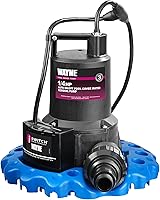
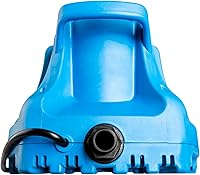
Use a cover pump when gravity can't carry water to a safe lower drain point or you want powered removal. Check the pump instructions for placement, operation, and safe handling around water.
The Blue Wave Dredger Jr. is a submersible cover pump rated at 350 GPH. It has a stabilizing base, reusable foam filter, 25 ft power cord, and manual on/off control.
Blue Wave says to remove and store this pump before water in its chamber can freeze. Keep cords and connections dry, and follow the pump's safety instructions.
For automatic operation, the SEESII pump has a water-level sensor that activates at 2.5 in and shuts off at 0.75 in, according to its product details. It also has a detachable base and debris filter net.
Choose a siphon if you want a manual option and have a safe downhill outlet. Choose a pump if your drainage route needs powered movement; compare more options in our automatic pool cover pump guide.
How do you keep water from collecting on the cover?
Check the cover after rain or snowmelt and remove pooled water before it grows. Regular checks can help you spot drainage issues and cover damage early.
Keep nearby gutters and drains clear so runoff doesn't spill onto the cover. Follow the cover maker's guidance for support, tension, and winter care.
For more ways to manage pooling, see how to keep water off a pool cover. If a pump stops moving water, check these pool cover pump problems first.
Which method should you choose to siphon water off a pool cover?
For siphoning water off a pool cover, choose a manual siphon when a safe lower outlet is available; choose a cover pump when gravity won't do the job. Keep the cover and drainage route in view while water moves.
The Swimline Cover Saver Siphon is the manual choice here. The Blue Wave Dredger Jr. offers a manual electric pump, while the SEESII adds an automatic sensor.
Review how to keep water off a pool cover for prevention steps, and choose a method that matches your cover and safe drainage options.
Frequently asked questions
Can you siphon water off a pool cover without electricity?
Yes, a manual siphon can remove pooled water without electricity. Set the intake in the water and route the outlet to a lower area where runoff is allowed.
Follow the siphon’s instructions to start the flow, and keep the hose away from outlets, cords, and other electrical equipment.
Where should a siphon hose drain?
Drain the hose to a lower spot where water can flow away from the pool, house, walkways, and neighboring property. Check local drainage rules and avoid sending water toward foundations or areas that may flood.
The outlet must stay lower than the pooled water for a gravity siphon to keep flowing.
How do you stop a pool cover siphon?
Stop the siphon as its instructions direct, usually by lifting the intake out of the water or interrupting the flow. Keep a hand on the hose and watch the discharge point until water stops.
Don't leave a siphon unattended, since the outlet may shift or runoff may collect in the wrong place.
Is a siphon or pump better for a pool cover?
A siphon suits a small, accessible puddle when you have a lower place for the water to drain. A cover pump may be easier when the outlet can't sit lower or the water needs to move farther.
Choose based on the cover, drainage route, and each device’s instructions.