How to Remove Pool Cover Springs
You remove pool cover springs by releasing tension slowly and working around the cover edge, never by yanking a spring or cutting the strap under load. Pull the strap back enough to relax the coil, unhook or unscrew the anchor fitting, then slide the spring and strap off the cover.
On this page (8 sections)
- What tools and safety steps do you need before starting?
- How do you release tension on a pool cover spring safely?
- How do you unhook or unscrew the spring from the anchor?
- How do you free a spring that is stuck or rusted in place?
- How do you remove the spring and strap from the cover edge?
- How do you remove springs when opening the pool for the season?
- How should you store the springs and straps until next winter?
- How do you put the springs back and avoid common mistakes?
You remove pool cover springs by relaxing each spring's tension first, then freeing the hardware, rather than pulling a stretched coil off the cover. Pull the strap back toward the cover to take the load off the spring, unhook or unscrew its anchor, and slide the spring and strap off the edge.
Knowing how to remove pool cover springs matters at both ends of the season. The same steps let you peel back a section for inspection or store the springs so they last through summer.
What tools and safety steps do you need before starting?
Have two pairs of hands, a pair of pliers, and a clear edge to work from before you touch the first spring. Gloves protect your fingers from the coil ends and from sharp anchor plates.
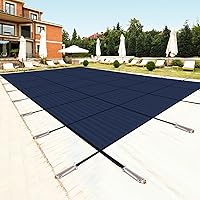
Most pool cover springs sit on straps that run from the cover edge to an anchor in the deck. The spring pulls the cover tight, so it holds stored energy even when the pool is empty.
Keep anyone who isn't helping away from the edge while you work.
Check the cover type first. The tension and hardware differ between cover types, and our guide to pool cover types and how they fit helps you confirm what you're dealing with.
A safety cover vs winter cover comparison also explains why safety cover springs are usually heavier than winter cover springs.
Set a bucket or a tray at the edge for the springs and straps you take off. A label on the bucket saves sorting later.
Lay the tools you need within reach so you never stretch across an open edge to grab a dropped wrench.
How do you release tension on a pool cover spring safely?
Pull the strap back toward the cover so the coil relaxes, then hold it while your helper handles the anchor. The spring should go slack before you unhook anything.
Work one spring at a time and keep the rest of the cover in place. On a mesh or solid cover with long straps, move the strap adjuster back a few inches so the spring no longer stretches.
That adjuster is the safest release point on the whole assembly.
Never cut a strap that is still under tension. A cut strap releases the spring suddenly and can send hardware flying.
Our post on mesh vs solid pool cover notes how strap layout changes the order you should loosen springs along the edge.
If a spring feels locked in a stretched position, stop and check whether the strap adjuster is jammed. Forcing it is how springs bend and how fingers get caught.
A spring that stays tight after the adjuster moves back may have its hook caught on the anchor plate rather than on the cover edge.
How do you unhook or unscrew the spring from the anchor?
Unhook the spring from the anchor plate, or unscrew the anchor fitting from the deck, depending on the type you have. The spring must be relaxed before either move works cleanly.
Hooked springs slip off a ring or eye once the coil is slack. Threaded anchor fittings turn out of the deck with pliers or a wrench.
Keep the hardware with its spring so it goes back in the same spot.
Some anchors sit in a sleeve or a pipe in the concrete. Turn those fittings slowly and watch for the sleeve turning with them.
If the whole anchor spins, hold the sleeve while you turn the fitting.
Don't tap the anchor with a hammer to free it. A cracked deck insert costs more to fix than a few extra minutes of turning.
Twist in short, steady turns and let the threads do the work.
How do you handle a spring with a stuck hook or anchor?
Soak the hook point or the threads with penetrating oil and wait before adding force. Then work the spring by hand with small back and forth movements rather than one hard pull.
Hold the strap steady while you free the hook so the coil can't spring back and pinch your hand. If the hook is bent and won't clear the ring, set that spring aside for replacement.
How do you free a spring that is stuck or rusted in place?
Soak the stuck fitting with a penetrating oil and give it time before you apply more force. Rust and grit are the usual reasons a spring won't release.
Apply the oil to the threads or the hook point and wait. Then turn the fitting a small amount in each direction to break the grip.
Work the spring free by hand where you can.
Skip heat near a vinyl cover or a strap. A flame or a hot tool can melt the cover edge and weaken the strap webbing.
A strap with a soft or shiny patch has already been weakened and should be replaced rather than reused.
If the spring itself is bent or the hook is deformed, set it aside for replacement instead of forcing it back. A deformed spring won't tension evenly with its neighbors.
How do you remove the spring and strap from the cover edge?
Slide the spring and strap off the cover's edge fitting once both ends are free. The strap often threads through a loop or a sewn pocket on the cover.
Hold the cover edge so it doesn't drop into the pool as the last strap comes free. On a large cover, have someone stand on the opposite edge or hold the corner.
Coil each strap loosely as you remove it. A strap left in a tight bundle takes a set and can kink before next season.
Tie each spring to its strap with a short piece of cord if you plan to reuse the set. That cord keeps the matching parts together so no spring ends up in the wrong hole.
Set removed springs flat in the bucket rather than dropping them. Dropping stretches the coil and can bend the hook.
How do you remove springs when opening the pool for the season?
Remove only the springs you need to peel the cover back, then leave the rest anchored until the cover comes off completely. This keeps the cover from blowing into the pool while you work.
Start at one corner and release springs in a line along the edge. Fold the freed cover back as you go so it doesn't drag on the remaining springs.
Our guide to how to measure for a pool cover is worth a look if the old cover is being replaced and the new one needs a fresh set of anchors.
Keep the cover from sitting in the sun for long stretches while it's partly off. A folded cover traps water and debris, and the straps can tangle.
Working early in the day or on a cloudy one keeps the cover edge from getting stiff and hard to handle.
Before you remove the last spring, check that the cover is clear of the pool water and any skimmer or ladder fittings. A cover that snags as it comes free can pull an anchor loose.
How should you store the springs and straps until next winter?
Dry every spring and strap, then store them together in a labeled bag away from sun and damp. Rust on the coil and cracking in the strap webbing are the two things that shorten their life.
Wipe the springs with a dry cloth and let them air fully before bagging. Hang the bag in a garage or shed rather than leaving it on the pool deck.
Keep the anchor hardware with each spring so matching parts go back in the same holes. If you mark the deck positions with chalk or tape before removal, reinstallation is faster in fall.
A simple sketch of the edge with each spring's spot noted saves guesswork months later.
Check the springs for bent coils or worn hooks before storing them. A spring that looks tired now will fail sooner next season.
A light coat of oil on the threads of anchor fittings keeps them turning easily when you put the cover back on.
How do you put the springs back and avoid common mistakes?
Reinstall springs in the same order and holes you removed them from, and re-tension gradually around the edge. Even tension keeps the cover flat and stops one spring from carrying the load.
The most common mistakes are cutting a strap under tension, forcing a rusted anchor, and mixing springs between holes so the cover pulls unevenly. Each one risks damage to the cover or the deck.
A fourth mistake is over-tightening one spring to close a gap, which pulls the cover edge out of line and stresses its stitching.
If snow is coming and the cover is still on, remove it the safe way. Our guide to how to remove snow from pool cover covers the right tools so you don't tear the straps or springs while clearing the edge.
Learning how to remove pool cover springs comes down to one habit: relax the coil before you free the hardware. Pick the relaxed-strap method for every spring, store the set together, and the cover and its hardware will be ready when winter returns.
Frequently asked questions
Do I have to remove every spring to open the pool?
No. You only need to remove the springs that keep the part of the cover you want to open under tension.
Many owners leave the rest in place and work section by section along the edge.
Can a pool cover spring snap and hit you?
Yes, a spring that is still stretched stores a lot of energy. Pull the strap back to relax the coil before you unhook anything, and keep your face and hands out of the line the spring would travel.
Should I use pliers to remove a spring?
Use a pair of pliers only to turn a stiff screw or hook, not to pry a stretched spring open. Twist the anchor fitting loose while the spring is relaxed, and stop if the hardware feels like it is going to let go suddenly.
How do I store pool cover springs over the summer?
Wipe each spring dry and keep it with its strap and hardware in a labeled bag. Hang the bag somewhere dry and out of the sun so the coils and the strap don't rust or crack before next winter.
Can I replace one broken spring without taking the cover down?
Usually yes. Relax the strap on either side of the broken spring, swap in a spring of the same length and wire size, and re-tension it in line with the others so the cover edge stays even.