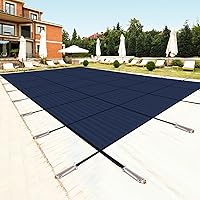
How to Repair a Hole in a Pool Cover
To repair a hole in a pool cover, clean and dry the area, then bond a patch of matching material over the damage with the cover's own adhesive or a heat weld. Press it flat, let it cure fully, and check the patch before the cover goes back on the pool.
On this page (9 sections)
- What do you need before you patch a pool cover?
- How do you find every hole before you patch?
- How do you clean and prep the area around a hole?
- How do you apply a patch to a solid vinyl cover?
- How do you repair a hole in a mesh pool cover?
- What changes when the hole is at a seam or anchor?
- How do you let the patch cure and test it?
- How do you stop new holes from forming?
- The short version on repairing a pool cover hole
To repair a hole in a pool cover, clean and dry the damaged area, then bond a patch of matching cover material over it with the cover's adhesive or a heat weld. Press the patch flat, let it cure completely, and check the seal before the cover goes back on the pool.
The job takes about 20 minutes for a small hole and a full day for a large tear that needs the cover off the pool. The patch material matters more than the brand of glue, so start by knowing what your cover is made of.
What do you need before you patch a pool cover?
You need a patch of the same cover material, a repair adhesive or heat welder, and a clean, dry surface. Have mild soap, a soft brush, and a towel ready to prep the area first.
Read the cover's care instructions before you buy anything. Solid vinyl covers take vinyl patch kits, while mesh covers need woven patches and an adhesive made for that fabric.
Measure the hole before shopping. A patch should overlap the damage by about 1 inch on every side, so a 2-inch hole needs a patch around 4 inches across.
Skip generic vinyl pool patches on mesh covers. The patch seals the weave and creates a puddle spot that holds water and debris against the cover.
How do you find every hole before you patch?
Lay the cover flat and look across it in low light, because small holes and thinning spots show up as bright points where light passes through. Mark each one with chalk or tape as you go.
Check the seams, the edges, and the areas around anchors and straps first. Those spots take the most wear, and a small tear there grows fast once the cover is under load.
Run your hand along the surface if the cover is dry and clean. A soft or rough spot often means the material is thinning before it breaks through.
Patch every hole you find in one session. A cover with several small patches holds up better than one with a single ignored tear that spreads.
How do you clean and prep the area around a hole?
Wash the area with mild soap and water, rinse, and let it dry completely before any patch goes on. Adhesive won't bond to a damp, oily, or dusty surface.
Use a soft brush, not a scouring pad, because abrasion can thin the material around the hole. Rinse away every trace of soap, since residue stops the adhesive from gripping.
Dry the patch area with a clean towel, then let it air dry in the sun for a while. Vinyl and mesh both hold moisture in the weave, so a surface that feels dry may still be damp underneath.
Work on a warm, dry day if you can. Most repair adhesives cure better above 60°F, and a warm cover stays flexible while you press the patch down.
How do you apply a patch to a solid vinyl cover?
Cut a vinyl patch about 1 inch wider than the damage on all sides, then bond it with vinyl repair adhesive. Round the corners so they don't catch on pool edges or snow.
- Cut the patch to size with rounded corners.
- Apply adhesive to the patch and the cover, following the kit's directions.
- Press the patch down from the center outward to push out air bubbles.
- Roll or press the edges firmly, then let it cure for the full time on the label.
Some vinyl covers accept a heat weld instead of glue, which fuses the patch into the cover. That takes a heat gun or welder and a steady hand, so practice on a scrap piece first.
Can you patch a vinyl cover without a kit?
You can patch small holes with a vinyl repair kit from a pool store, but skip household glue. Most general-purpose glues stay flexible only briefly and peel once the cover moves in wind or under snow.
Keep a repair kit with the cover's winter supplies so a small hole never waits until spring. Buying a kit ahead costs less than replacing a cover that tore through a seam.
How do you repair a hole in a mesh pool cover?
A mesh cover needs a woven patch bonded with mesh-safe adhesive, or a heat-welded patch of the same fabric. A solid vinyl patch on mesh stops drainage in that spot, which matters more than the cosmetic fix.
Cut the woven patch to overlap the tear by about 1 inch and align the weave with the cover. Apply the adhesive thinly, press the patch flat, and weight it with a board while it cures if the cover is off the pool.
For larger tears in mesh, consider a stitched and sealed repair or a professional patch. A woven patch that peels lets water pool on one side and adds strain to the rest of the cover.
If you're weighing a new cover against repeated repairs, our guide to mesh vs solid pool cover explains how each type handles water and snow.
What changes when the hole is at a seam or anchor?
Damage at a seam, strap, or anchor point usually needs more than a flat patch, because those areas carry the cover's load. A small patch there can peel and let the cover fail under weight.
Check whether the tear runs along a stitched or welded seam. A seam repair often needs a wider patch folded over the seam, or a new seam stitched by a shop that services covers.
For safety covers, anchor tears and worn grommets are a fit issue as much as a patch issue. Our comparison of a safety cover vs winter cover covers how each type carries load and where damage tends to start.
If the tear is longer than about 6 inches, or the material around it is brittle and cracked, replace the cover rather than patch it again. A failed cover left on the pool is a real hazard for people and pets.
How do you let the patch cure and test it?
Give the adhesive the full cure time on the label, then tug the patch edge gently to check the bond. Most kits want 24 hours before the cover takes water or weight.
Keep the patched cover off the pool while it cures, laid flat out of rain and direct sun if the directions say so. A patch that cures under stress can lift at one corner and peel from there.
Once cured, hold the cover up and look through it toward a light. Any bright gap means the patch missed a spot or air is trapped under the edge.
Reinstall the cover with the patch facing up if the maker recommends it. Then check the patch after the first heavy rain or snow, since that's when a weak bond shows.
How do you stop new holes from forming?
Store the cover dry, keep it off sharp edges, and check it for damage before each season. Most holes start at a fold, a rough pool edge, or a spot where water pooled.
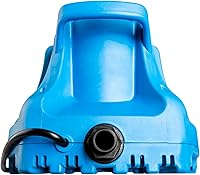
Sweep debris off the cover rather than dragging it, and use a cover pump to keep water from sitting in one place. Standing water weighs on the material and finds any weak spot.
Fold the cover loosely for storage, with no hard creases in the same spot year after year. Store it in a dry place away from mice and sunlight that breaks down vinyl.
If you find holes at the start of each season, our guide to why a pool cover gets holes helps you trace the cause before you patch again. A cover that fits well also tears less, so check the fit with our steps on how to measure for a pool cover.
The short version on repairing a pool cover hole
The fix for a pool cover hole is simple: match the patch to the cover material, clean and dry the area, apply adhesive, and let it cure fully. Repair small holes early, before water and snow turn them into seam tears.
Patch vinyl covers with a rounded vinyl patch and vinyl repair adhesive. Patch mesh covers with a woven patch and mesh-safe adhesive, never a solid vinyl square.
Skip the patch and replace the cover when a tear runs past 6 inches, reaches a seam or anchor, or the material around it is brittle. A firm, clean repair keeps a cover working for extra seasons.
Frequently asked questions
Can I patch a pool cover while it is still on the pool?
Yes, for small holes above the waterline, because you can clean and dry the surface in place. For larger tears or damage near the water, take the cover off, lay it flat, and patch it where it can cure without stress.
What kind of patch sticks to a mesh pool cover?
Use a patch of the same woven material, applied with a repair adhesive the cover maker allows, or a heat-bonded patch. A solid vinyl patch on mesh blocks drainage in that spot, so match the material to keep water moving through.
Will a patch hold through a winter?
A patch applied to clean, dry material with full cure time usually holds through a season. Ice and snow load work on the patch edge, so press the edges firmly and keep the patch smaller than the damage plus an inch of overlap.
When is a pool cover hole too big to repair?
A tear longer than about 6 inches, a rip at a seam, or damage around an anchor point is often beyond a patch. Those areas carry the cover's load, so a small patch can peel and let the cover fail under snow or water weight.